)
My mother’s favorite movie is “Field of Dreams.” I’ve never seen it in full (sorry Mom), but there’s a famous line that constantly bounces around in my head: “If you build it, he will come.” To me, it highlights this universal truth: A community needs a place to commune.
Because we live in an increasingly digital world, this meeting place is usually social media — where people go for news, pop culture and to engage with like-minded members of their fandoms. It’s also where brands grow and interact with their followers. Being present and visible on social media is essential for all brands, even nonprofits, looking to build their community and reach new audiences.
In social media, the practice of engaging with followers, partners and relevant content is called community management.
Managing Your Nonprofit’s Online Community
Managing the online community involves constant surveillance of multiple social media platforms (Instagram, Facebook, LinkedIn, etc.) for relevant comments and sentiments about your brand, as well as identifying how and where your organization fits into the conversation.
Thorough community management includes:
- Liking and responding to comments on your organization’s posts (or hiding negative comments when necessary)
- Commenting on and resharing posts from partners, funders and beneficiaries
- Identifying and interacting with relevant accounts and news articles
What Nonprofits Can Learn from Big Brands
Beyond simply maintaining a presence and a consistent posting schedule, nonprofits must actively engage with their community. To achieve this, they can learn from big-name brands that regularly reply to comments and reference news and pop culture.
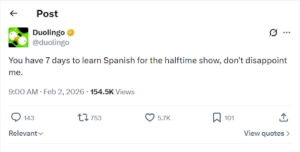
Duolingo, for example, increases its visibility by injecting itself into pop culture and grows its community by replying to comments. It capitalizes on current events, such as the Super Bowl, to promote its brand and engage with the wider cultural conversations. Its ability to speak the language of the internet appeals to wider audiences and reinforces its position in the cultural zeitgeist.
“Tell Me Lies,” a show that streams on Hulu, and HBO Max also demonstrate how to cultivate a community through social media. Both the official “Tell Me Lies” and HBO Max accounts are visible in TikTok comment sections, where they respond to fan edits and viral videos about their shows.
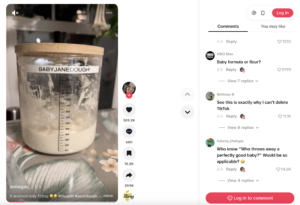
Posting keeps your accounts active, but participating makes you relevant beyond your grid.
Show Up Where Relevant Conversations Are
Building your nonprofit’s community on social media doesn’t have to mean sharing memes and participating in internet trends (although they help). Social media for nonprofits is all about connection. Connect with relevant partners, news outlets and other organizations by liking, commenting on or resharing their content. Celebrate their wins and thank them for their work in the sector. Keep popping up in their notifications, and your nonprofit will remain memorable for them when it’s time to donate or gather information for a story.
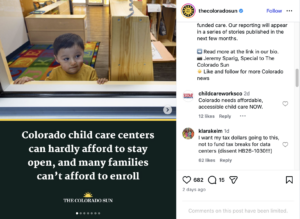
You don’t need to become a brand like Duolingo overnight. Like in real life, good and sustained relationships are built by showing up. When nonprofits engage consistently, support others publicly and contribute to broader conversations, they reinforce their mission in real time and build a community that shows up for them in return.
If you build it, they will come.