)
Using Social Media for Fundraising: How Your Channels Can Support Nonprofit Development
In a world where 43% of donations come through a mobile device, the smartest nonprofits treat social media differently. Social media fundraising is how nonprofits raise money for a cause through their presence on Facebook, Instagram, TikTok or LinkedIn, and it’s a vital part of any integrated nonprofit development strategy. Social media is where many supporters first discover and then evaluate an organization.
For nonprofits, social channels help attract new supporters, deepen donor relationships and reinforce fundraising campaigns by building trust before, during and after someone gives. Today, giving decisions often begin long before someone visits a donation page.
Why social media matters to nonprofit fundraising
Nonprofit fundraising is about telling an ongoing story, not chasing transactions. Social media creates countless opportunities to compete for the hearts and minds of your potential donors, and nonprofits who tell the most compelling stories are the ones most likely to build relationships leading to donations. The story doesn’t end there -– a consistent social media strategy keeps your organization visible constantly, building familiarity before you ever make an ask. A supporter who has watched months of real-life stories is much more likely to respond to a year-end appeal than someone seeing the organization for the first time. According to Nonprofit Tech for Good, 29% of donors were most inspired to give by social media content.
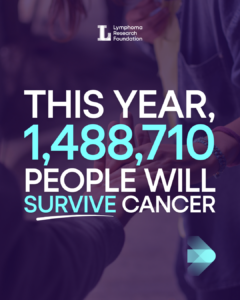
Credit: Lymphoma Research Foundation
An Instagram fundraising graphic
How, exactly, do donors end up giving? It’s all part of the donor journey:
- Awareness: People can’t support an organization they’ve never heard of. Social media introduces new audiences to your mission through education, storytelling, partnerships and media coverage.
- Interest: Once someone follows your organization, social media helps answer an important question: “Why should I care?” Consistent posts about your mission, results, staff, volunteers and the communities you serve help potential supporters understand both the problem you address and the difference you make.
- Trust: Before many donors make their first gift, they spend time observing how an organization communicates. Sharing transparent updates and real stories about results demonstrates credibility and effectiveness.
- Engagement: As supporters begin liking, commenting, sharing posts or responding to polls, they become active participants in your community. These small interactions deepen their connections to your organization and create opportunities for conversations that strengthen your relationship.
- Donation: By the time someone sees a fundraising appeal, it should feel like a natural next step. Because social media has already built awareness, trust and engagement, fundraising asks arrive in the context of an established relationship.
- Retention: The relationship doesn’t end with the donation. Social media is one of the easiest ways to thank supporters and demonstrate how their gifts make a difference. Remind supporters that they’re part of a mission, not just a one-time transaction.
- Advocacy: The most valuable supporters often become ambassadors. Social media makes it easy for donors, volunteers, board members and community partners to share your content, invite friends to events, participate in peer-to-peer fundraising or publicly endorse your organization. These authentic recommendations expand your reach.
How different platforms support different fundraising goals
All social media platforms are not created equal. The most effective social media strategies meet supporters where they are and tailor content to each platform’s strengths.
Facebook is primarily a community-building and peer-to-peer fundraising platform for nonprofits. Supporters can easily share campaigns with friends, comment on updates and participate in fundraising initiatives that expand an organization’s reach beyond its existing audience. According to Nonprofit Tech for Good, 70% of Facebook donors will contribute again, making it an active platform for repeat supporters.
Instagram excels at creating emotional connections through photos, short-form video and behind-the-scenes content. Rather than leading with donation appeals, nonprofits can use Instagram to spread awareness and introduce the players behind the scenes.Influencers make especially great advocates in a social media fundraising campaign: Nonprofits can use them to build strong relationships with their audience through human, honest storytelling that expands reach, earns trust, builds community and thus drives donations.
LinkedIn isn’t traditionally viewed as a fundraising platform, but it plays an important role in nonprofit development. This channel connects nonprofits directly with an affluent, career-driven audience that tends to donate more frequently and give larger amounts than users on other social networks. It’s where nonprofits can reach corporate leaders, foundations, board members and professionals interested in making a difference.
YouTube is the second-most visited website on Earth. It combines a massive global audience with long-form video content, making it an ideal venue when stories take more than 30 seconds to tell. YouTube gives nonprofits the space to explore complex issues, highlight beneficiary stories and showcase the lasting impact of their programs through longer-form video.
TikTok‘s strength isn’t necessarily fundraising; it’s discovery. More than 60% of Gen Z use TikTok daily. This channel boasts massive reach, deep community engagement and in-app tools like donation stickers that turn passive viewers into active givers.
How development and social media teams can work together
Just as positive news media can pair public relations with social media, the collaboration between development and communications teams pairs known donor motivations with expertise in audience engagement.

Credit: Lymphoma Research Foundation
An Instagram post highlighting lymphoma survivor Steven Eichberg’s journey
That collaboration should begin long before a fundraising campaign launches. Development teams can share campaign goals, key dates and target audiences, while social media teams can identify the stories, visuals and content themes that will build momentum in the weeks leading to an appeal. Instead of scrambling to promote a campaign once it’s live, both teams are working from a shared strategy that guides supporters naturally toward giving. Collaboration should continue after the campaign launches: Development teams can provide updates on fundraising milestones and emerging priorities, allowing social media managers to adjust messaging in real time.
Fundraising doesn’t belong exclusively to one department and neither does communications.
The bottom line about social media fundraising
Social media doesn’t replace great fundraising; it makes it possible by building the trust every donation depends on. Organizations that consistently educate, tell authentic stories and stay connected with supporters throughout the year are better positioned to inspire generosity when the time comes to ask.